Dhaulagiri Peak Expediton-30 Days

Trip Facts

Duration 30 Days
Max. Altitude: 8,167m
Group size 2–12 people
Best Season Spring (March–May) & Autumn (September–November)
Trip Mode Teahouse / Local Lodges
Activity Expedition
Meals Breakfast, Lunch, Dinner
DIFFICULTY Moderate
Start/End Kathmandu, Nepal

Overview

Dhaulagiri (8,167m) is the seventh-highest mountain in the world and one of the most demanding 8000-meter expeditions in Nepal. Located in the remote western Himalayas, Dhaulagiri rises dramatically above the Kali Gandaki Valley, creating one of the deepest gorges on earth. The mountain is known for its massive snow-covered slopes, technical glacier sections, and unpredictable weather, making it a true test of endurance, technical skill, and mental strength. Unlike Everest and Manaslu, Dhaulagiri remains less crowded, offering climbers a raw and authentic high-altitude expedition experience.

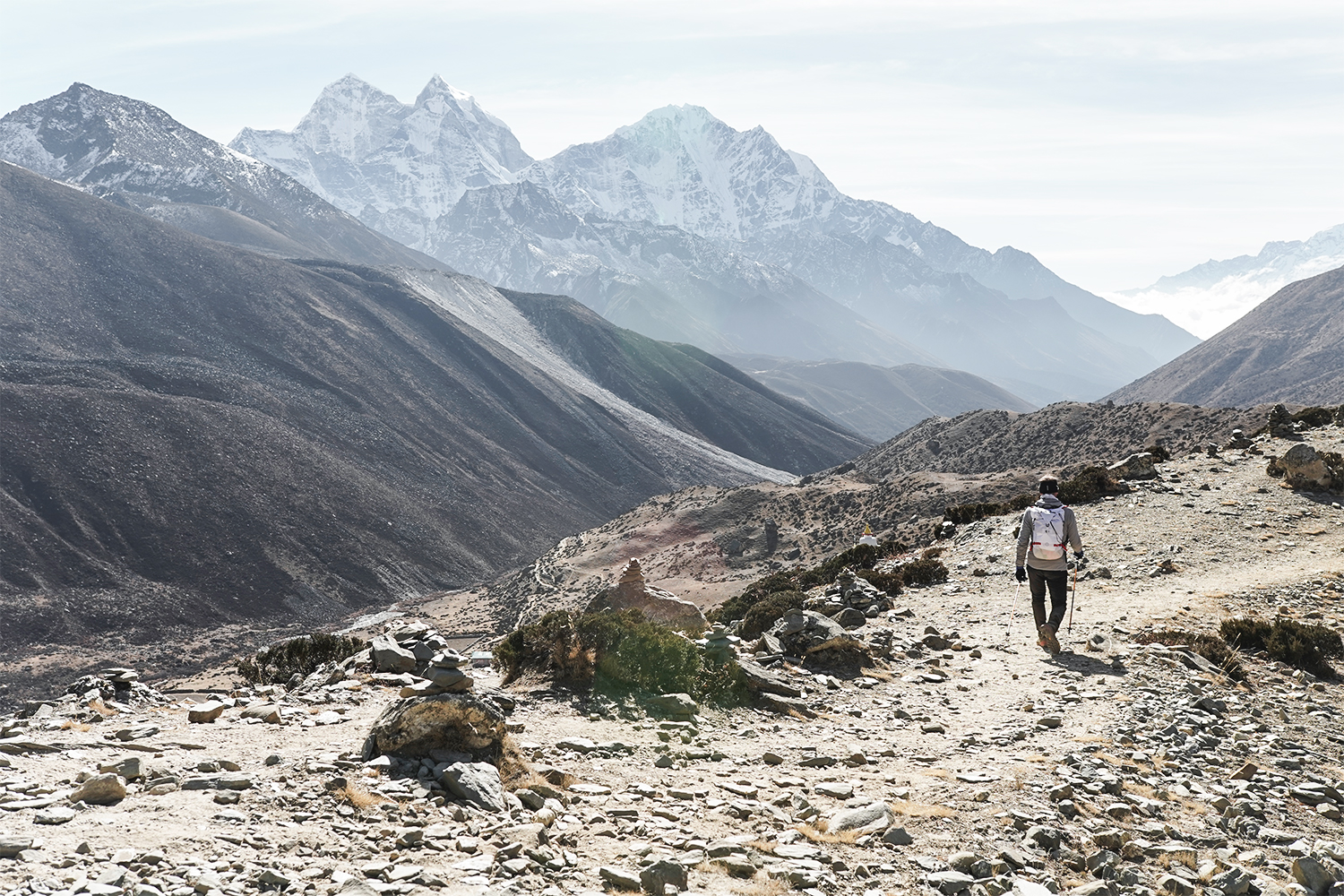
The expedition begins in Kathmandu with permit processing, expedition briefing, and equipment preparation managed by Multipeak Expedition. From Kathmandu, the journey continues by road to Beni and Darbang, followed by a scenic and adventurous trek through traditional Magar villages, dense forests, alpine landscapes, and glacier terrain. The trekking route itself is physically demanding and provides gradual acclimatization before reaching Dhaulagiri Base Camp at approximately 4,750 meters.

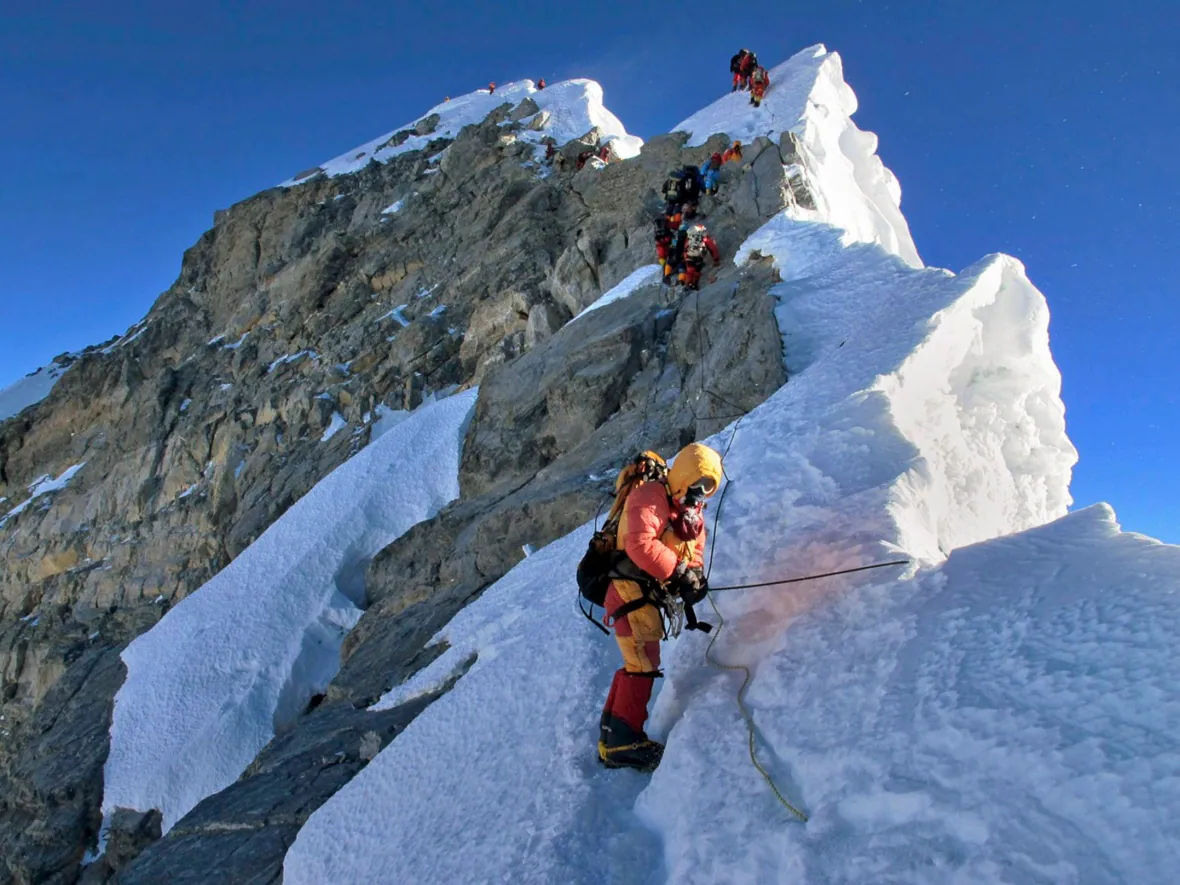
At Base Camp, a fully equipped expedition camp is established with dining tents, kitchen facilities, communication equipment, and medical support. Several days are dedicated to acclimatization, technical training, and load ferry planning. The standard climbing route follows the Northeast Ridge, where climbers establish multiple high camps at strategic elevations. The climb involves steep snow slopes, ice walls, crevasse navigation, and exposed ridgelines, requiring strong mountaineering skills and prior high-altitude experience.

Proper acclimatization rotations are crucial for a successful summit attempt. Climbers ascend gradually to Camp I, Camp II, Camp III, and Camp IV before waiting for a favorable weather window. The summit push is long and demanding, often taking 10–14 hours from the highest camp. From the summit of Dhaulagiri, climbers are rewarded with spectacular panoramic views of Annapurna, Nilgiri, Mustang region, and distant Tibetan peaks.

After the summit, the descent requires careful attention as snow conditions and weather can change rapidly. Once safely back at Base Camp, the team retraces the trekking route to Darbang and returns to Kathmandu. The expedition concludes with a farewell celebration hosted by Multipeak Expedition, marking the completion of one of Nepal’s most challenging and prestigious 8000-meter climbs.

Cost Details

Review Requests

Enter a recent customer’s contact info and we’ll ask them to leave you a review.

Hear It from Travelers
We go beyond just booking trips—we create unforgettable
travel experiences that match your dreams!
People recommend us.
We Accept

All emails to Multi Peak Adventure is requested to be sent to only info@multipeakexpedition.com to receive the valid response. CopyRight © 2026. All Rights reserved at Multi Peak Adventure

Site By: Web Creation Nepal

×

Type above and press Enter to search. Press Close to cancel.