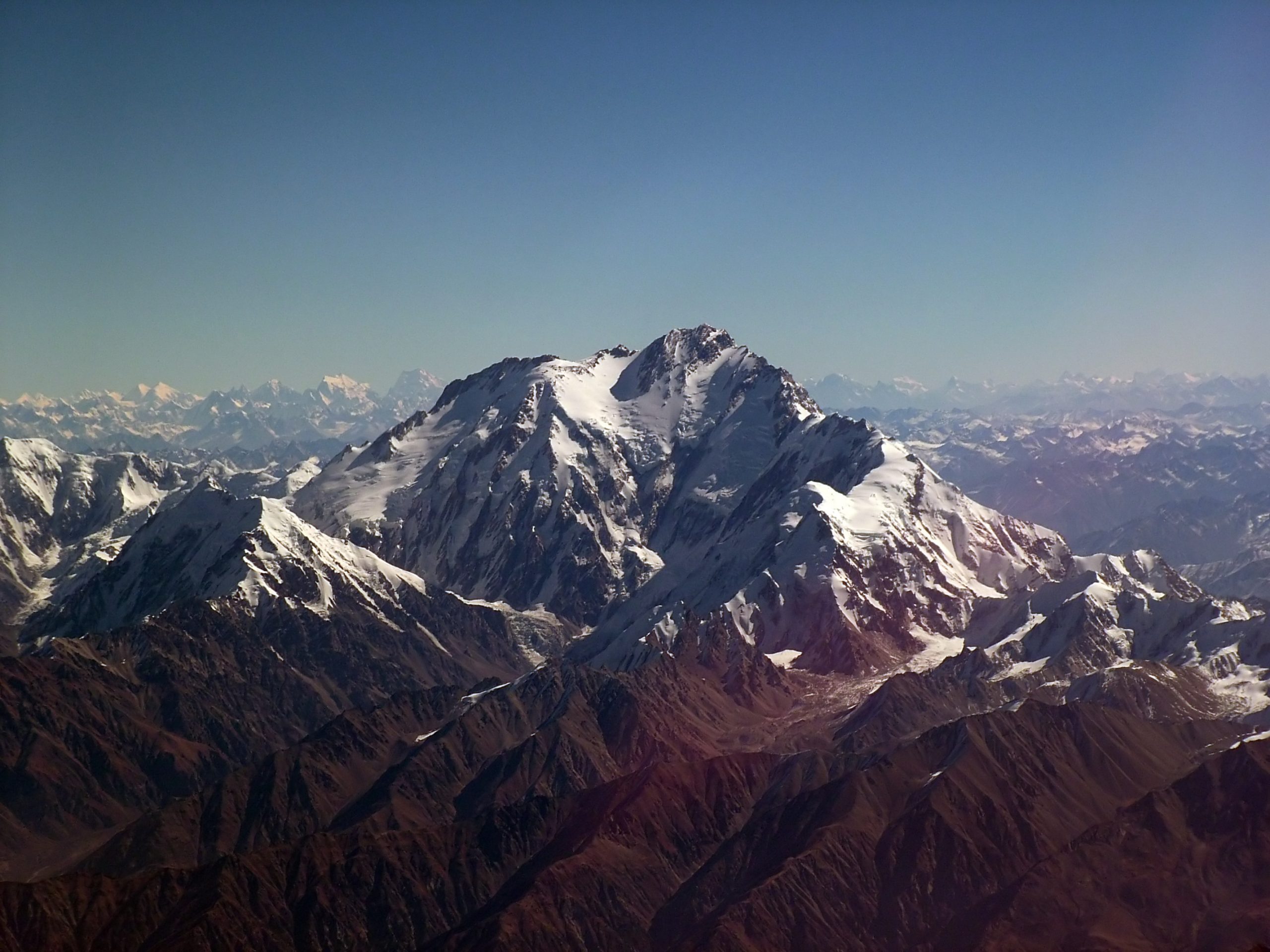
Nanga Parbat (8,126m), known as the “Killer Mountain,” is the ninth-highest peak in the world and one of the most demanding 8000-meter expeditions. Located in the western Himalayas of Pakistan, Nanga Parbat is famous for its massive vertical relief, dramatic ridges, and challenging weather conditions. This expedition is designed for highly experienced climbers with strong technical ice and mixed climbing skills.
The mountain rises dramatically above the Indus Valley and features several famous routes, including the Diamir Face (Normal Route) and the historic Rupal Face, one of the highest mountains faces in the world. The expedition combines glacier travel, steep snow slopes, exposed ridges, and high-altitude endurance climbing.
Multi Peak Expedition manages all logistics including climbing permits, liaison officers, Base Camp setup, high-altitude support staff, and safety coordination. With professional expedition leadership and experienced high-altitude climbers, the team ensures proper acclimatization and safe summit planning.
The journey begins in Islamabad, followed by a scenic drive through the Karakoram Highway to Chilas and then to the trailhead. A multi-day trek leads to Nanga Parbat Base Camp (~4,200m), where climbers prepare for acclimatization rotations before establishing higher camps along the chosen route.
Summit attempts are made during a favorable weather window. Reaching the summit of Nanga Parbat offers breathtaking views of the Karakoram and western Himalayas. The descent is equally challenging and requires strong technical control and patience.
Arrival, visa verification, expedition briefing, permit processing, and equipment checking.
Long scenic drive via Karakoram Highway along the Indus River.
Off-road jeep drive to trek starting point.
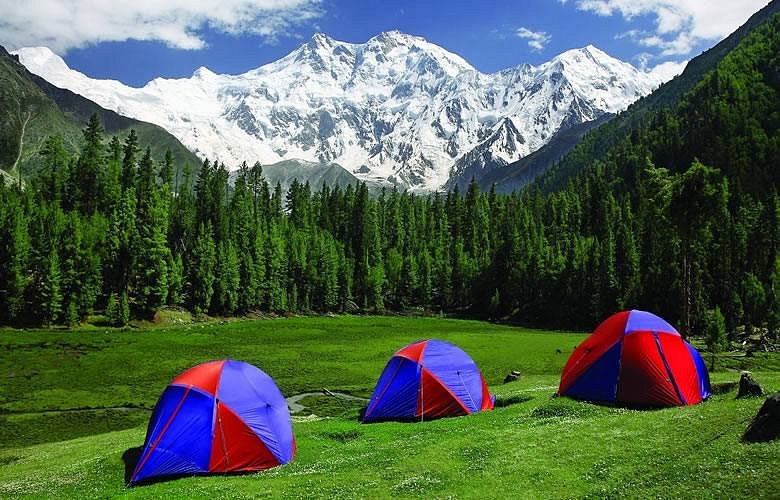
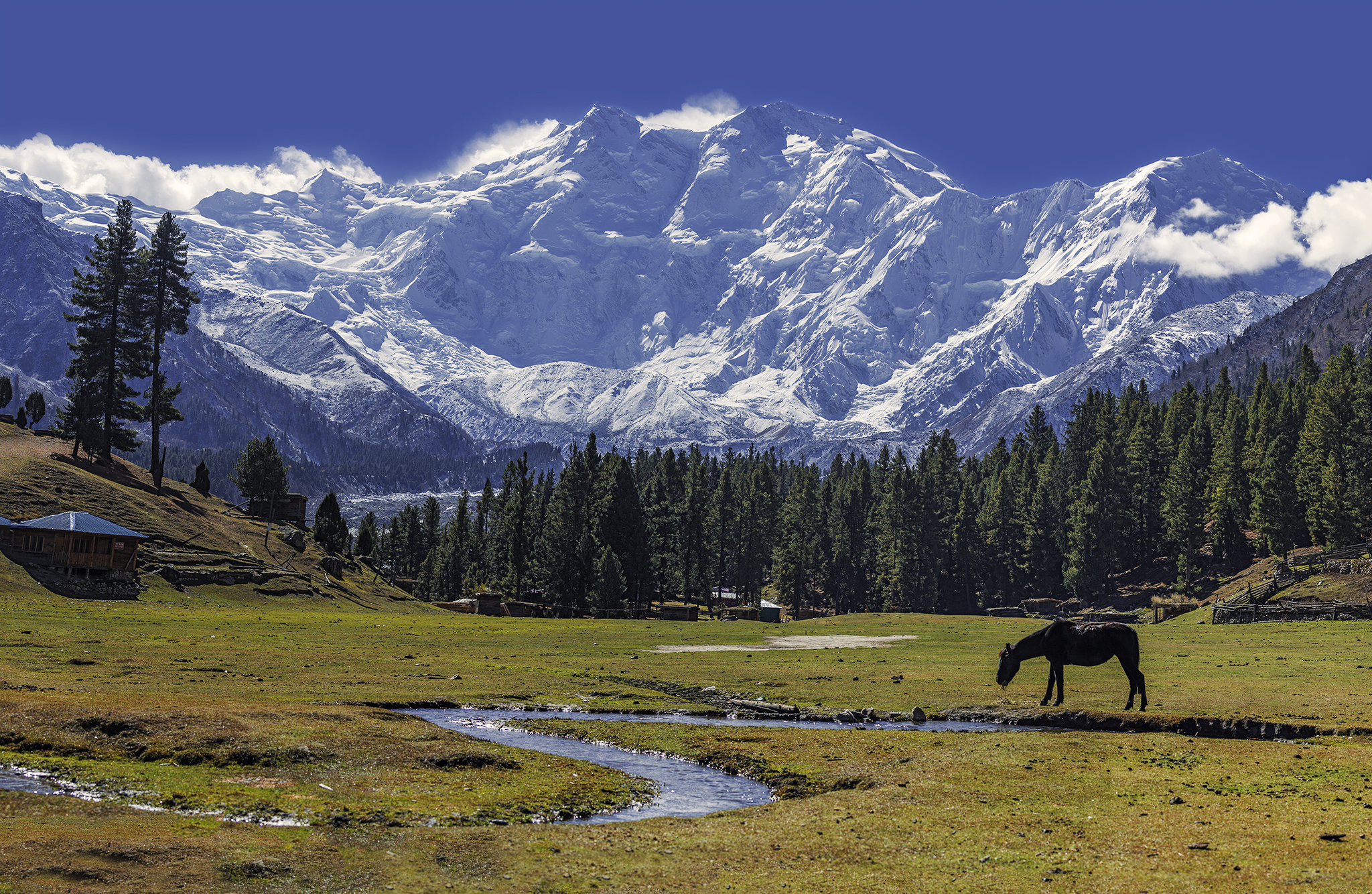
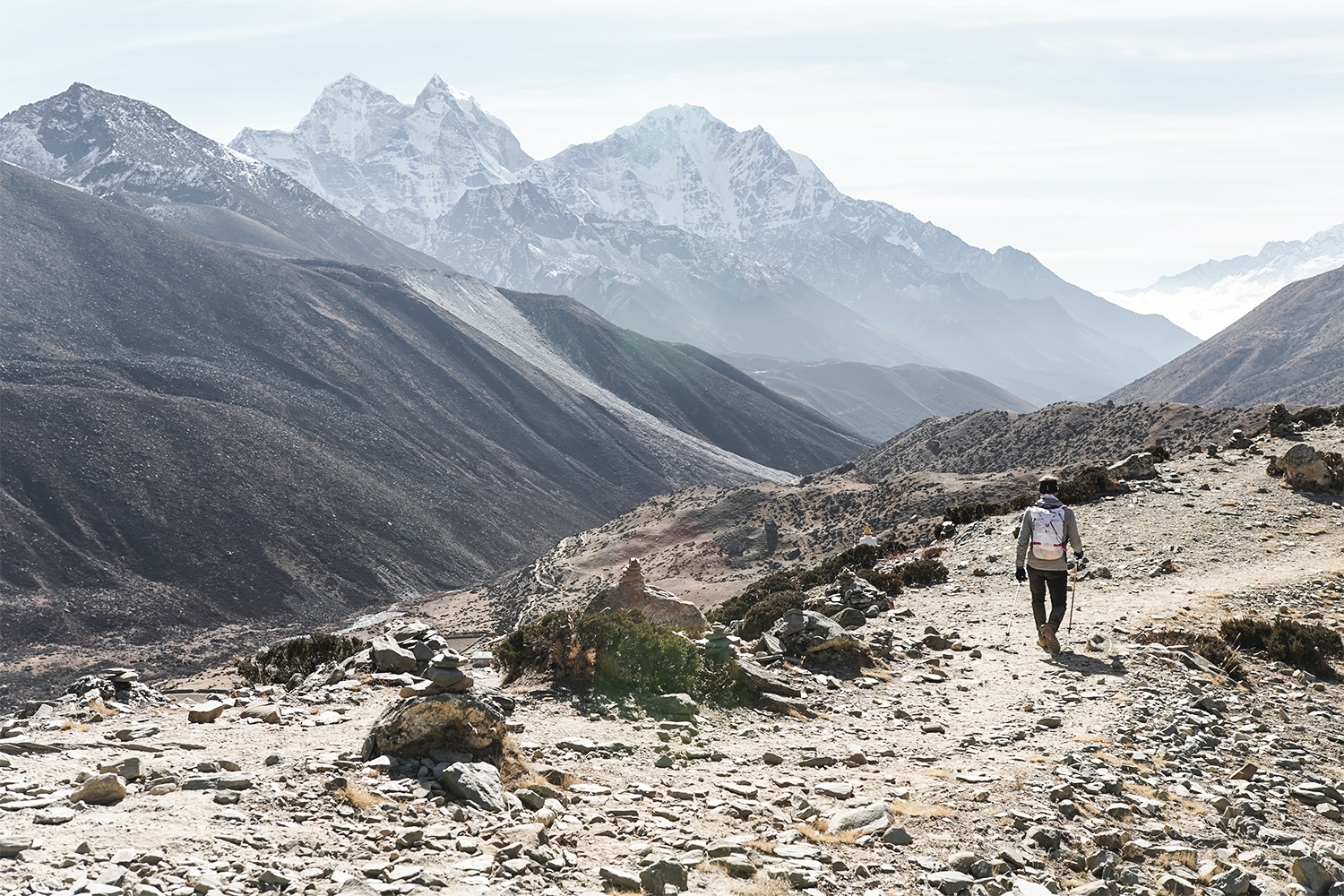
Gradual trek through alpine meadows and glacier moraine. Spectacular views of Nanga Parbat’s west face.
Base Camp includes dining tent, communication tent, kitchen, and solar charging system.
Camp I – ~5,000m
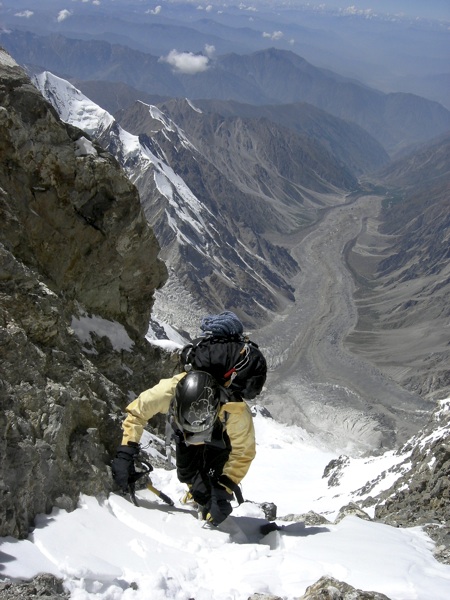
Snow slopes and glacier travel.
Camp II – ~6,000m
Steeper terrain, fixed ropes required.
Camp III – ~6,700m
Exposed ridge climbing, extreme weather exposure.
Camp IV – ~7,400m
High camp before summit push.
Summit day involves:
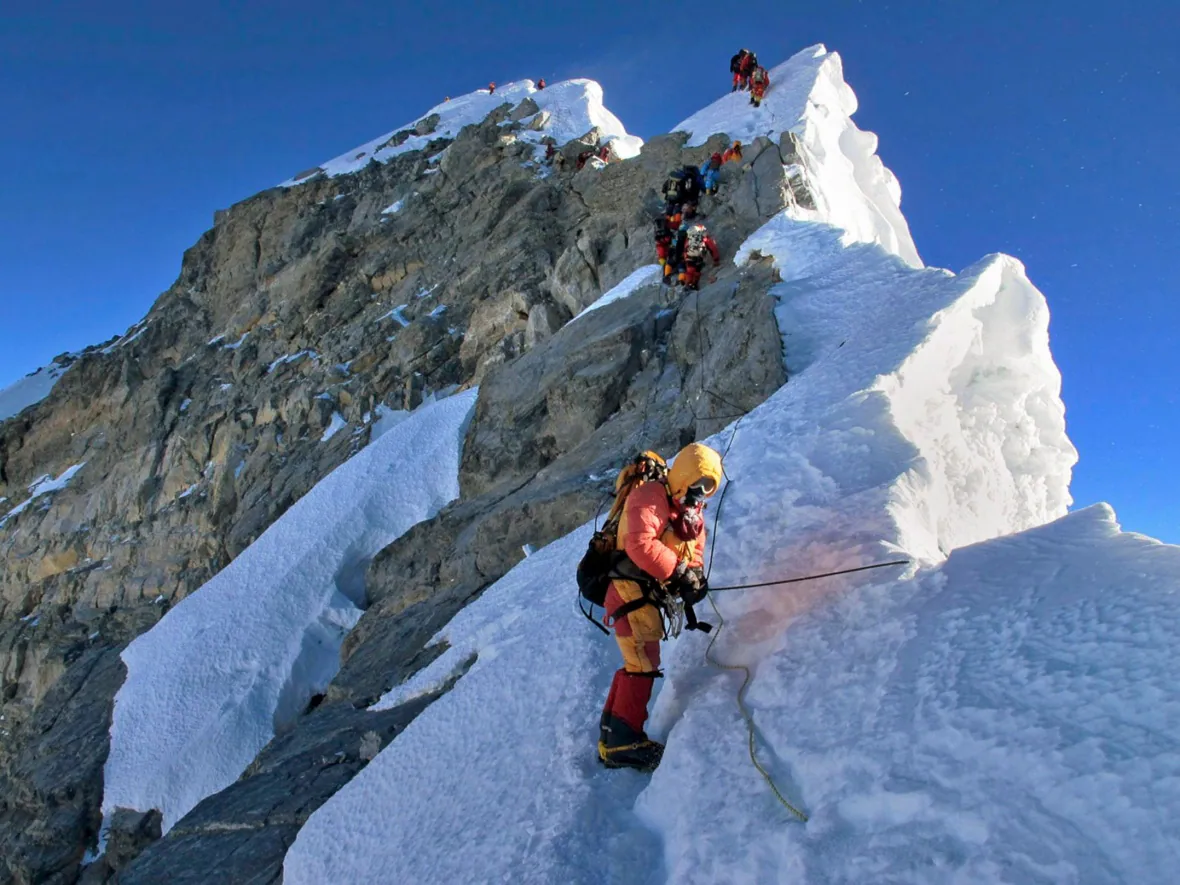
45–60° snow slopes
Ice and mixed terrain
Long summit ridge
Climbers typically leave Camp IV around midnight for a 10–14 hour summit push.
Summit of Nanga Parbat (8,126m) offers spectacular views of the Karakoram range.
Careful descent with removal of fixed ropes and camp cleanup.
Return trek and jeep transfer to Chilas.
Farewell dinner and airport transfer.
Here is a list of what you might want to pack for the hike. Please take this as a starting point. You’ll need layers of warmer clothing during the winter. We provide a 75 liter duffel bag for you to use for the trek. It will be given to you during your pre-trip meeting in Kathmandu. The duffle bag is yours to keep. Also, you can rent sleeping bag and down jacket with us at the additional fee of USD 35 for each once you are in Kathmandu.
Enter a recent customer’s contact info and we’ll ask them to leave you a review.
All emails to Multi Peak Adventure is requested to be sent to only info@multipeakexpedition.com to receive the valid response. CopyRight © 2026. All Rights reserved at Multi Peak Adventure
Site By: Web Creation Nepal