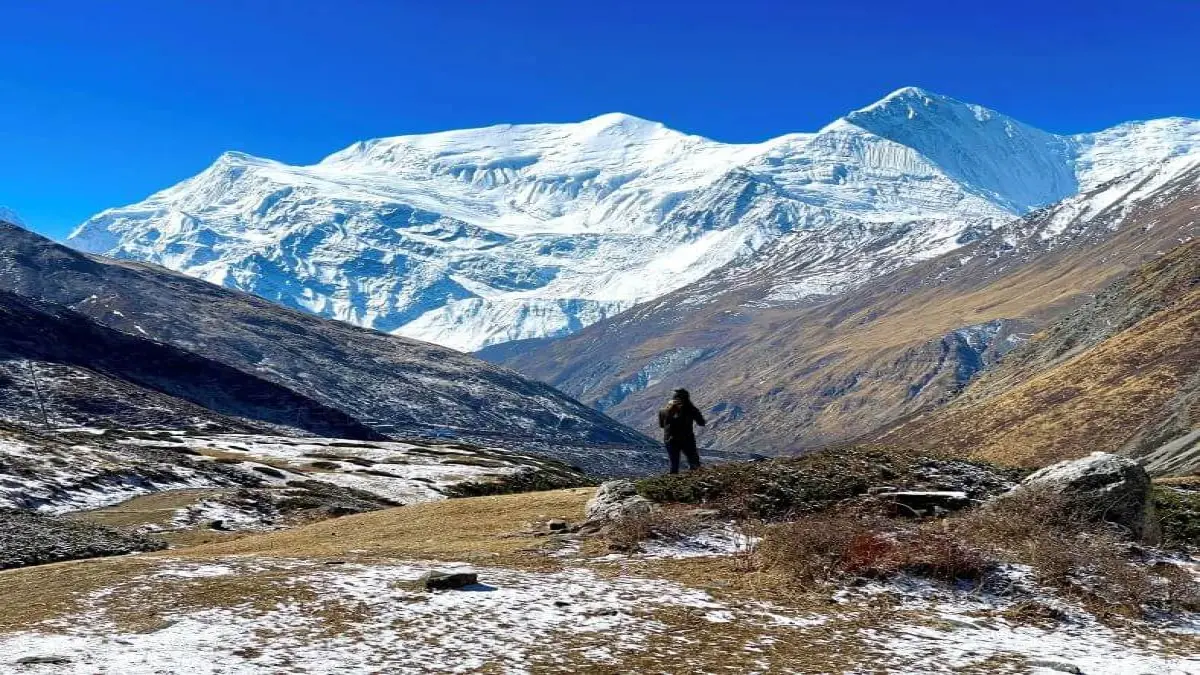
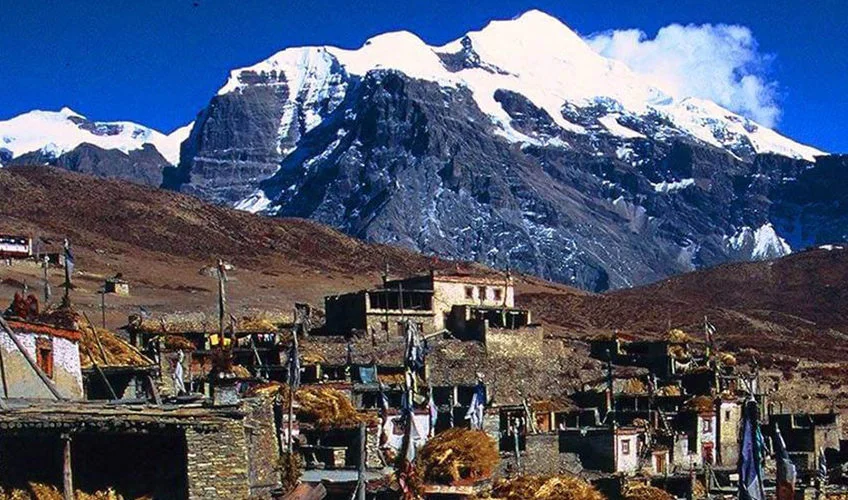
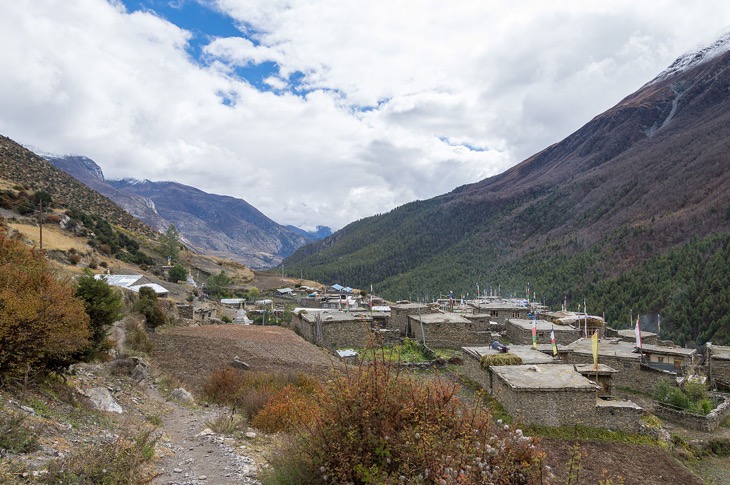
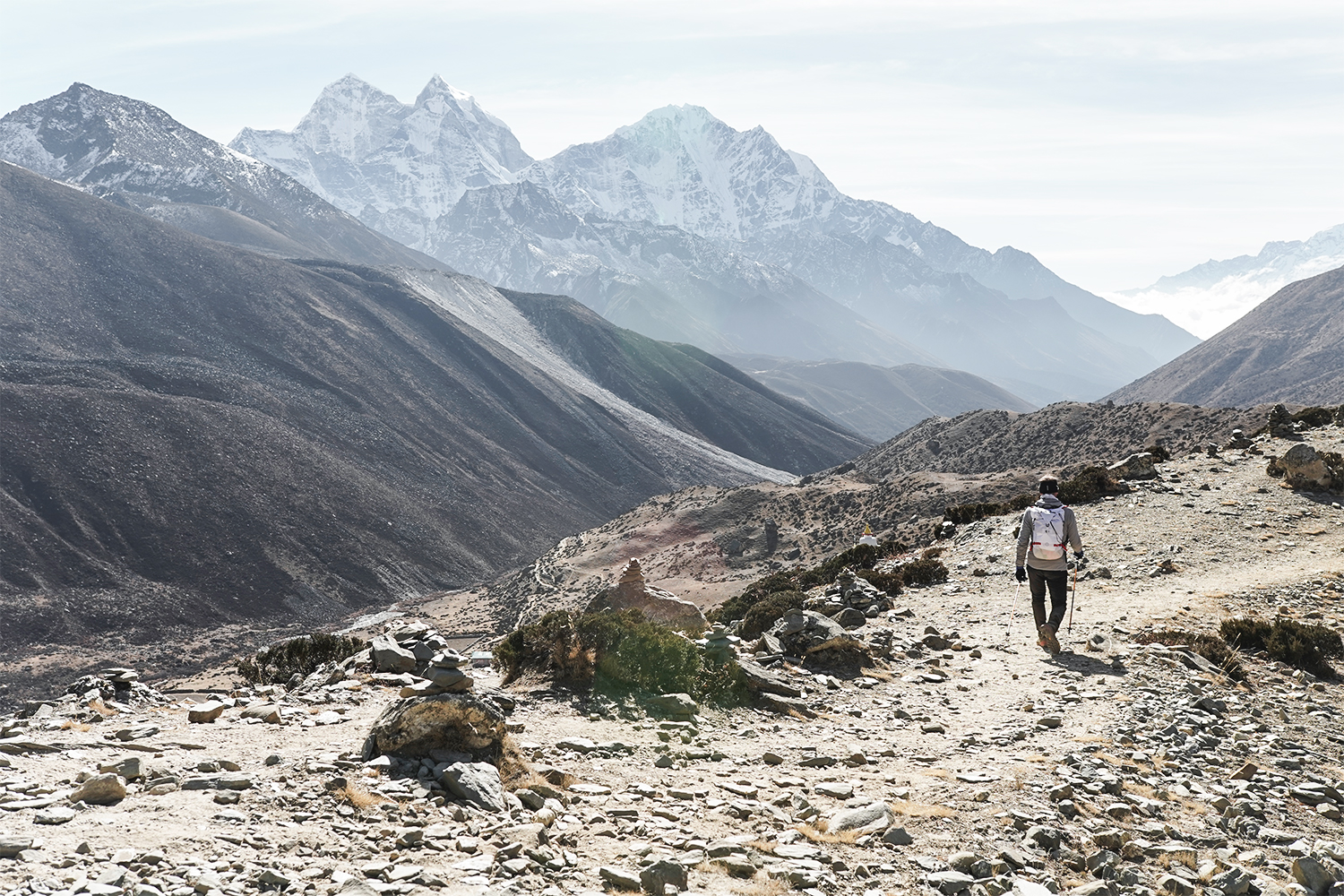
The Nar Phu Valley Trek is one of Nepal’s most enchanting and off-the-beaten-path treks, located in the Annapurna region. This remote trail takes trekkers through traditional villages, high mountain passes, and untouched landscapes, offering a glimpse into the unique Tibetan-influenced culture of the Nar and Phu communities. The trek is ideal for those seeking solitude, authentic cultural experiences, and stunning Himalayan scenery away from the crowds.
The journey begins with a scenic drive from Kathmandu or Pokhara to the trailhead at Manang or Koto, gradually leading trekkers through alpine forests, terraced fields, and highland pastures. The Nar and Phu villages, rich in history and traditions, are a highlight, where visitors can experience local monasteries, prayer flags, and warm hospitality. The region remains largely unspoiled, preserving its old-world charm and offering spectacular views of peaks like Gangapurna, Annapurna II, and Tilicho Peak.
Trekkers will navigate high passes such as Kang La Pass, challenging yet rewarding, granting panoramic views of the Annapurna and Manaslu ranges. Wildlife enthusiasts may also spot Himalayan blue sheep, snow leopards (rarely), and various bird species along the trail. The trek combines moderate to strenuous hiking, requiring good physical fitness, acclimatization, and preparedness for high-altitude conditions.
The Nar Phu Valley Trek is perfect for adventurers looking to immerse themselves in nature and culture simultaneously. With its quiet trails, breathtaking landscapes, and ancient villages, it offers a rewarding experience that contrasts with the more popular Annapurna and Everest regions. Ideal for photographers, nature lovers, and cultural enthusiasts, this trek remains a hidden gem for those seeking a truly unique Himalayan adventure.
Your journey begins with a scenic drive from Kathmandu to Besisahar, passing rivers, terraced farmlands, and small towns. From Besisahar, the drive continues on a rough mountain road to Jagat, a beautiful stone village and the official entry point of the Annapurna Conservation Area.
After breakfast, drive from Kathmandu to Koto via Besisahar and Chame. The journey follows the Marsyangdi River and offers scenic views of hills, rivers, and villages. Koto is the entry point to the Nar Phu Valley.
The trek begins as you follow the Marsyangdi River trail, surrounded by pine and rhododendron forests. Small villages along the trail offer a glimpse into rural Nepali life, where you may see children playing, farmers working in terraced fields, and monks chanting at local monasteries. The trail gradually ascends, offering scenic views of cliffs and mountains. Arrival at Koto, a small village, provides your first tea house overnight experience with warm meals and friendly hospitality.
From Koto, the trail climbs into more alpine terrain, passing narrow paths, glacial streams, and small farm terraces. You’ll cross rocky ridges and observe Himalayan birds and wildflowers. Meta village is surrounded by high peaks and offers panoramic views of the Annapurna II and Manaslu ranges. Local culture is evident in the mani walls, prayer flags, and Tibetan-style houses scattered along the route. The combination of remote landscapes and cultural encounters makes this day both physically rewarding and visually stunning.
This day is reserved for acclimatization. You can explore Phu Monastery, local villages, and enjoy views of Himlung Himal. MultiPeak Adventure guides will ensure proper acclimatization.
Today, the trail gradually ascends toward Phoo, one of the main settlements of the Nar Phu Valley. Trek through narrow valleys, rocky ridges, and stream crossings, observing the resilient lifestyle of the high-altitude inhabitants. Phoo village is a cultural hub with traditional mud-brick homes, small monasteries, and prayer flags adorning the paths. The surrounding barren and rugged high-altitude terrain provides a sense of adventure, with striking mountain views at every turn.
An important acclimatization day. Trekkers undertake a short high-altitude hike to Himlung Base Camp, gradually gaining elevation to prepare for the Kang La Pass crossing. The trail takes you through moraine valleys, alpine meadows, and glacial streams. Panoramic views of Himlung, Annapurna II, and Manaslu reward trekkers with breathtaking scenery. Returning to Phoo, you rest and enjoy warm meals, ensuring your body is ready for higher altitudes.
The journey continues deeper into the Nar Valley, one of Nepal’s most remote and least visited regions. The trail passes high cliffs, glacial streams, and isolated villages. Nar Phedi is a small settlement with traditional houses and prayer flags, offering trekkers a sense of serenity and cultural immersion. The barren high-altitude desert landscape provides a stark contrast to the lower lush valleys.
Today the trail ascends gradually from Nar Phedi Monastery to the beautiful Nar Village. The walk takes around 3–4 hours on a rocky mountain path with stunning views of the barren Himalayan landscape. After a steady climb, you reach Nar Village, a traditional Tibetan-influenced settlement with stone houses and prayer flags. Overnight at a tea house.
A challenging but rewarding day. Early morning, begin the ascent to Kang La Pass, the natural high-altitude divide between Nar and Phu Valleys. The trail is steep, rocky, and occasionally snow-covered, offering expansive views of Annapurna II, Manaslu, Gangapurna, and surrounding peaks. After summiting, descend into the Phu Valley to reach Ngawal village, a traditional Tibetan-style settlement. This day is the highlight of the trek, offering a sense of accomplishment and unforgettable Himalayan vistas.
Descend gradually through highland pastures and cultivated terraces to Pisang village. Pisang is known for its ancient monastery, traditional houses, and spectacular mountain scenery. Along the trail, trekkers pass by streams, yak pastures, and small hamlets. Interactions with locals provide insight into Tibetan Buddhist culture, and the surrounding landscape offers excellent photo opportunities of Annapurna II, Pisang Peak, and surrounding peaks.
From Pisang, a scenic drive through the Marsyangdi Valley brings you to Besishahar. The drive passes terraced fields, rivers, and traditional villages, marking the end of the trekking portion. Besishahar is a comfortable administrative town where trekkers can relax after days of high-altitude trekking.
Return to Kathmandu via drive or domestic flight. Arrival in the capital allows you to enjoy city comforts, explore local culture, or rest after the long journey.
Explore Kathmandu’s cultural and historical treasures. Visit UNESCO World Heritage Sites such as:
Boudhanath Stupa – one of the largest stupas in the world
Pashupatinath Temple – a sacred Hindu temple on the Bagmati River
Kathmandu Durbar Square – a historic palace and royal square with temples and shrines
Experience local art, architecture, and bustling markets before returning to your hotel.
Transfer to Tribhuvan International Airport for your international flight, concluding a memorable trek through one of Nepal’s most remote, culturally rich, and scenic regions.
Here is a list of what you might want to pack for the hike. Please take this as a starting point. You’ll need layers of warmer clothing during the winter. We provide a 75 liter duffel bag for you to use for the trek. It will be given to you during your pre-trip meeting in Kathmandu. The duffle bag is yours to keep. Also, you can rent sleeping bag and down jacket with us at the additional fee of USD 35 for each once you are in Kathmandu.
Enter a recent customer’s contact info and we’ll ask them to leave you a review.
All emails to Multi Peak Adventure is requested to be sent to only info@multipeakexpedition.com to receive the valid response. CopyRight © 2026. All Rights reserved at Multi Peak Adventure
Site By: Web Creation Nepal