kanchenjunga Peak Expediton-60 Days

Trip Facts

Duration 60 Days
Max. Altitude: 8,586m / 28,169 ft
Best Season April–May & September–October
Trip Mode Teahouse / Local Lodges
Activity Expedition
Meals Breakfast, Lunch, Dinner
DIFFICULTY Moderate
LOCATION Eastern Nepal / Nepal-India Border
Start/End Kathmandu, Nepal

Highlights

    Climb the world’s third-highest peak (8,586m)

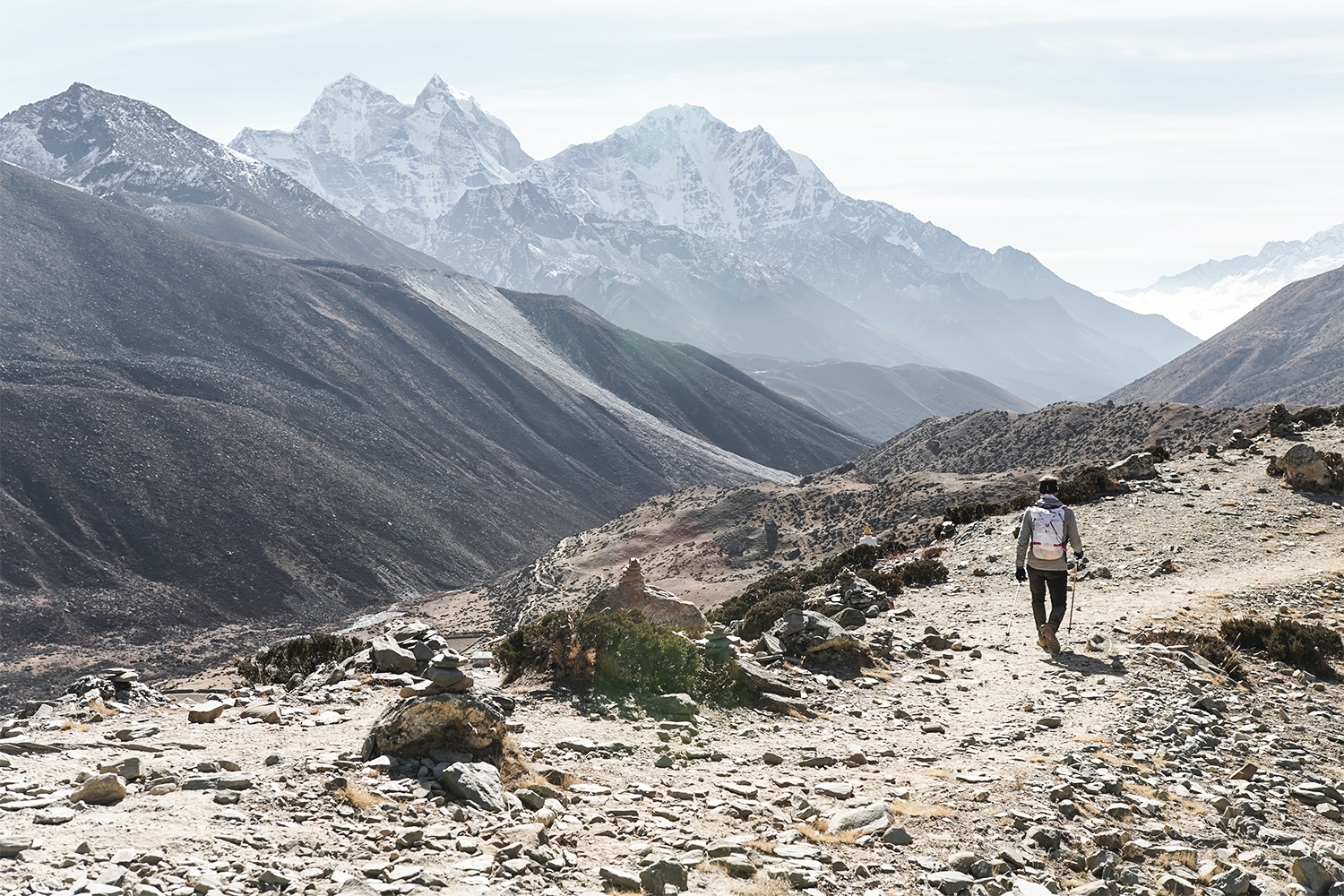
    Trek through the remote Kanchenjunga Conservation Area with rhododendron forests and high-altitude lakes

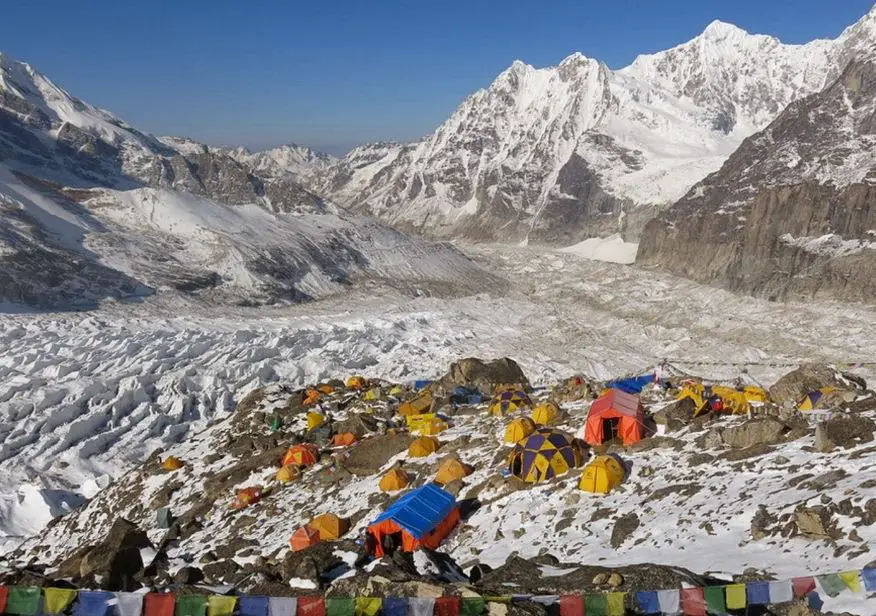
    Fully equipped Base Camp and High Camps with tents, kitchen, and dining facilities

    Professional Sherpa and expedition leader support

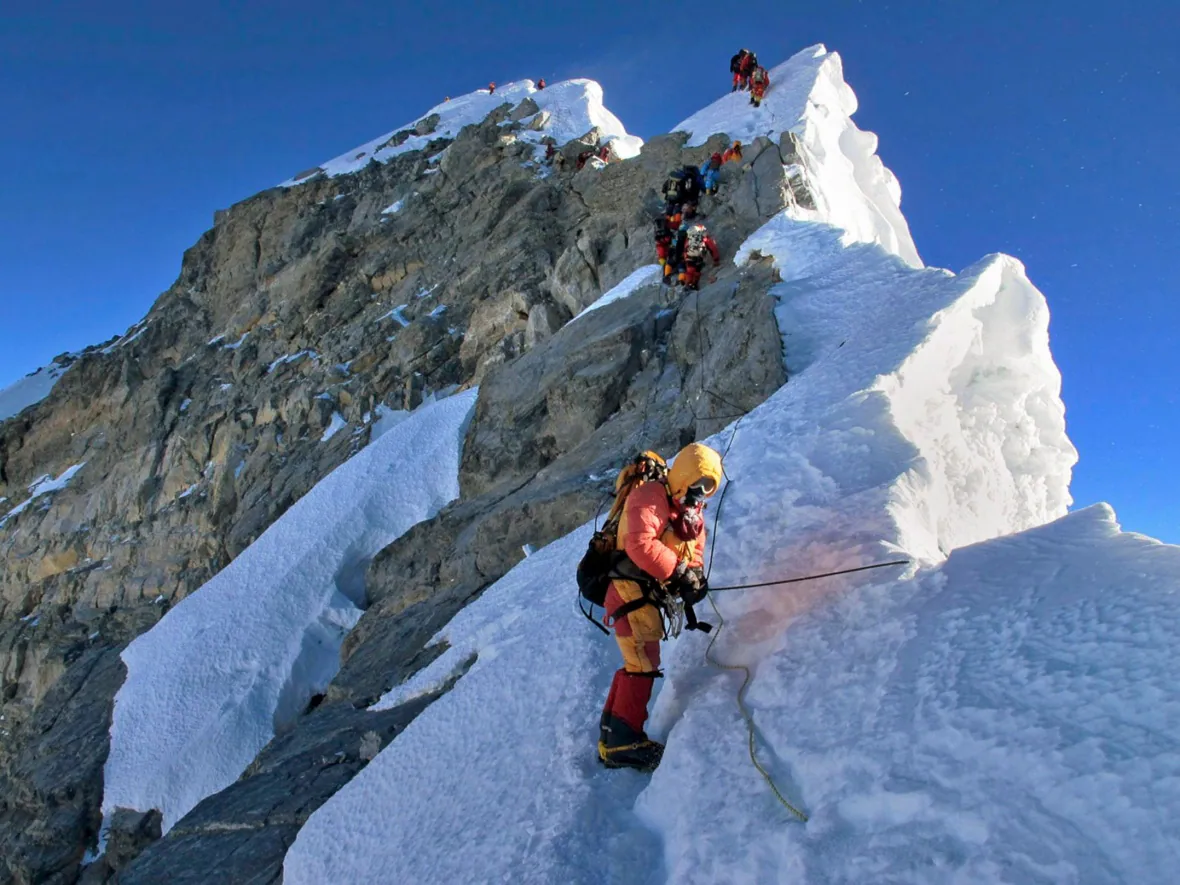
    Glacier, snow, and technical climbing experience

    Acclimatization rotations for safe summit attempts

    Spectacular views of neighboring peaks including Everest, Makalu, and Lhotse

    Cultural immersion in remote mountain villages

    Remote and less crowded route, offering a true wilderness experience

    Professional expedition logistics handled by Multi Peak Expedition

Overview

Kanchenjunga, the world’s third-highest peak at 8,586m, is located on the border of Nepal and India in the remote eastern Himalayas. Known for its challenging terrain, glaciers, and unpredictable weather, Kanchenjunga is considered one of the most demanding 8000-meter climbs. This expedition is designed for experienced high-altitude mountaineers seeking a less crowded but technically complex Himalayan peak.

Multi Peak Expedition provides professional expedition leadership, highly experienced Sherpa support, and complete logistical management. The expedition combines trekking through the Kanchenjunga Conservation Area, glacier navigation, and high-altitude rotations leading to the summit. Climbers experience remote Himalayan wilderness, high-altitude lakes, rhododendron forests, and stunning views of neighboring peaks like Lhotse, Makalu, and Everest in the distance.

The expedition begins in Kathmandu, where permits, documentation, and gear checks are handled by Multi Peak Expedition. From Kathmandu, climbers fly to Bhadrapur or trek from Taplejung, entering the Kanchenjunga Conservation Area. Base Camp (~5,140m) is established in a remote valley surrounded by glaciers and snow ridges. Multiple high camps are set along the standard climbing route to ensure acclimatization and summit preparation.

Summit attempts require technical snow, ice, and rock-climbing experience. Climbers face crevasses, steep slopes, and unpredictable high-altitude weather. Successfully summiting Kanchenjunga offers panoramic views of the eastern Himalayan range, rewarding climbers with a sense of accomplishment on one of the world’s least frequented 8000m peaks.

After the summit, climbers descend carefully to Base Camp and return via the trekking route to Taplejung and then fly or drive back to Kathmandu. The expedition concludes with a celebratory dinner and certificate of achievement provided by Multi Peak Expedition, marking the completion of one of the most remote and challenging Himalayan climbs.

Itinerary

Take a scenic domestic flight from Kathmandu to Bhadrapur (approx. 45–50 minutes). During clear weather, enjoy aerial views of eastern Himalayan peaks and green hills.

Upon arrival, drive to Ilam (3–4 hours), a beautiful hill town famous for tea gardens and cool climate. The road gradually climbs from the Terai plains into lush green hills. Overnight at a hotel in Ilam.

Accommodation 4/5-Star Hotel
Meal Breakfast, Lunch, Dinner

After breakfast, begin a long but scenic drive to Yamphudin, the starting point of the trekking section. The road passes through small villages, cardamom farms, rivers, and forested hills. Yamphudin is a culturally rich settlement inhabited mainly by Limbu and Rai communities. This village marks the entrance to the Kanchenjunga Conservation Area.

Accommodation Tea House / Camping
Meal Breakfast, Lunch, Dinner

A rest and preparation day at Yamphudin. This allows trekkers to adjust to the environment, organize expedition gear, and interact with the local community. Final packing of climbing equipment and briefing about the upcoming trekking route will be conducted.

Accommodation Lodge / Tea House
Meal Breakfast, Lunch & Dinner

Begin trekking through dense forests of rhododendron, bamboo, and pine. The trail follows river valleys and crosses suspension bridges. The landscape gradually becomes more rugged as you ascend toward Torangten. Along the way, enjoy scenic views of waterfalls and untouched Himalayan wilderness.


Accommodation Lodge / Tea House
Meal High-energy meals, tea, coffee

Trek to Tseram (often spelled Tsairam), a beautiful high alpine pasture surrounded by snow peaks and glaciers. Upon arrival, take a short acclimatization hike to nearby ridges for better altitude adaptation. This day is important to prepare your body for higher elevation.

Accommodation Tent Camp
Meal Breakfast, Lunch & Dinner

The trail today enters true alpine terrain. Glacial rivers, moraines, and rocky paths dominate the landscape. As you ascend, spectacular views of Kanchenjunga’s massive south face and surrounding peaks become visible. Middle Camp is a strategic stop before reaching base camp.

Accommodation Tent Camp
Meal Breakfast, Lunch & Dinner

Yamphudin – Torangten – Tseram – Ramche – Oktang – Middle Camp – South Base Camp (approx. 4,800–5,200m).
Gradual ascent through forests, alpine meadows, glacial valleys, and moraines.

Accommodation Expedition Tent Camp
Meal Breakfast, Lunch & Dinner

Pujo ceremony, glacier training, load ferry preparation.

Accommodation Tent Camp
Meal Breakfast, Lunch & Dinner

Climb to Camp I (6,100m), return to Base Camp.

Accommodation Tent Camp
Meal Breakfast, Lunch & Dinner

Climb to Camp II (6,400m), sleep one night, descend.

Accommodation Tent Camp
Meal Breakfast, Lunch & Dinner

Climb to Camp III (7,000m), partial load carry toward Camp IV, descend to BC for recovery.

Accommodation Tent Camp
Meal Breakfast, Lunch & Dinner

Recovery period at Base Camp. Final summit strategy discussion.

Accommodation Tent Camp
Meal Breakfast, Lunch & Dinner

(Extra contingency days included for weather and summit window flexibility.)

Gradual descent through alpine valleys and forests.

Cost Details

Includes

    Airport transfers in Kathmandu

    Kanchenjunga climbing permits and government fees

    TIMS card and Conservation Area fees

    Domestic flights / road transport as per itinerary

    Hotels in Kathmandu (Twin Sharing, 4/5-Star)

    Base Camp & High Camp tents with dining/kitchen/toilet facilities

    Full board meals at Base Camp and along trekking route

    Experienced expedition leader and high-altitude Sherpa support

    Porters and high-altitude support staff

    Fixed ropes, route fixing, and group climbing equipment

    Environmental and waste management fees

    Government taxes

Excludes

    International airfare

    Nepal visa fee

    Personal climbing gear (boots, down suit, crampons, ice axe, harness, sleeping bag, etc.)

    Personal travel insurance (mandatory for high-altitude 8000m rescue)

    Extra oxygen cylinders (if required)

    Personal Sherpa or extra porter (if requested)

    Summit bonuses and tips for staff

    Extra meals, drinks, WiFi, charging, laundry

    Emergency rescue or evacuation costs

    Additional expenses due to weather delays or political issues

    Any services not mentioned in “Cost Includes”

Equipment

Here is a list of what you might want to pack for the hike. Please take this as a starting point. You’ll need layers of warmer clothing during the winter. We provide a 75 liter duffel bag for you to use for the trek. It will be given to you during your pre-trip meeting in Kathmandu. The duffle bag is yours to keep. Also, you can rent sleeping bag and down jacket with us at the additional fee of USD 35 for each once you are in Kathmandu.

 Clothing

    Thermal base layers

    Trekking pants

    Fleece jacket or down sweater

    Waterproof jacket and pants

    Long and short-sleeved trekking shirts

    Underwear and socks

    Lightweight gloves and warm insulated gloves

    Sun hat and warm beanie

    Buff or scarf

    Gaiters

    Waterproof trekking boots

 Sleeping and Camping

    Sleeping bag rated −10°C to −15°C

    Sleeping mat

    Tent if camping

 Trekking Gear

    Daypack 25–35 L

    Trekking poles

    Water bottles or hydration system

    Water purification tablets or filter

    Headlamp with extra batteries

    Sunglasses with UV protection

    Sunblock and lip balm

    First aid kit

    Personal hygiene items

    Toilet paper

 Accessories

    Passport and visa copies

    Travel insurance

    Cash in Nepalese Rupees

    Camera and extra batteries

    Mobile phone and power bank

    Notebook and pen

 Optional High-Altitude Gear

    Crampons or microspikes

    Ice axe

    Heavy down jacket

    Extra thermal socks and gloves

    Sunglasses with side protection

 Snacks

    Energy bars and trail mix

    Electrolyte powder

    Tea or instant coffee

Review Requests

Enter a recent customer’s contact info and we’ll ask them to leave you a review.

Hear It from Travelers
We go beyond just booking trips—we create unforgettable
travel experiences that match your dreams!
People recommend us.
We Accept

All emails to Multi Peak Adventure is requested to be sent to only info@multipeakexpedition.com to receive the valid response. CopyRight © 2026. All Rights reserved at Multi Peak Adventure

Site By: Web Creation Nepal

×

Type above and press Enter to search. Press Close to cancel.